

Project Overview
Climate Pledge Arena’s redevelopment elevated the 18,100-seat venue as a premier sports and entertainment destination in the Northwest, with new clubs, social spaces, an atrium, pedestrian plaza, and premium views. Led by Mortenson's team based in Seattle, the project paired modern arena amenities with clear sustainability goals and meaningful community engagement.
Key Takeaways:
- Building Beneath a Landmark Roof: Crews preserved the arena’s 44-million-pound roof while expanding the footprint underground and rebuilding the walls.
- Zero Carbon Goal: The arena aims to become the first International Living Future Institute Zero Carbon certified professional sports venue in the world.
- Prioritizing Workforce Diversity: Project goals emphasized apprenticeships and expanded career opportunities for women and people of color from underserved Seattle communities.
- DBE and Supplier Opportunity: $179 million in work was awarded to DBEs, including 31 minority-owned businesses and 15 woman-owned businesses.
- Community Outreach and Lasting Impact: Mortenson engaged the Seattle community through employment opportunities, professional development, food bank support, and shelter repairs during a period of pandemic, economic, and racial challenges.
- Project Cost
$1,000,000,000
- Delivery Method
-
Construction Manager at Risk
- Additional Project Facts
-
800,000 Square Feet
17,100 to 18,100 Seats
Climate Pledge Arena’s extensive redevelopment repositioned the 18,100-seat arena as the premier sports and entertainment destination in the Northwest. The redesigned interior features new clubs and social spaces, a new atrium and pedestrian plaza, and premium space offering views of the event floor, atrium and the iconic Space Needle. Its new design introduces modern elements and amenities while preserving the historic landmark’s charm.
The complex renovation was likened to "building a ship in a bottle,” as crews suspended the arena’s 44-million-pound roof over the project site to expand the footprint underground and rebuild the walls.
Goal of Zero Carbon Certified
Home of NHL's Seattle Kraken and WNBA's Seattle Storm, Climate Pledge Arena has the goal of being the first International Living Future Institute Zero Carbon certified professional sports venue in the world. The certification requires 100% of the energy used to operate the building to be offset by new renewable energy. In addition, all embodied carbon emissions associated with the project’s construction and materials must be disclosed and offset. Zero Carbon Certification is the first worldwide program to independently verify claims about “net zero carbon” and “carbon neutral” buildings.
Building Diversity & Community Empowerment
Climate Pledge Arena created lifelong opportunities for individuals that have been historically marginalized in our industry, demonstrating how construction can transform communities through economic empowerment.
The project team outlined goals for construction apprenticeships and hiring women and people of color in communities with lower income and high unemployment rates. Mortenson worked closely with the Oak View Group, the City of Seattle, and Priority Hire to provide opportunities for workers historically underrepresented in the construction industry.
Efforts in Workforce Inclusion and Advancement Resulted In:

In addition to ensuring supplier and workforce diversity on the project, the team engaged in volunteering and community efforts to help revitalize areas surrounding Climate Pledge Arena. These efforts included food contributions to Queen Anne Food Bank, Northwest Harvest, and Rainier Valley Food Bank. The team also jumped in to help a shelter for people experiencing homelessness.
Residents of Sacred Heart Shelter, located across the street from the job site, often slept with windows open throughout winter due to thermostat issues at the shelter. After learning that construction noise was affecting residents’ sleep, Mortenson and one of its trade partners, Hermanson, repaired the shelter’s HVAC issues so residents could sleep better. This story is just one of many examples where Mortenson-led project teams identified a community’s need and stepped in to Do the Right Thing.
The Team

Tamara Hartner
Market Executive

Lars Carlson
Superintendent

Ashley Clark
Director of Business Development
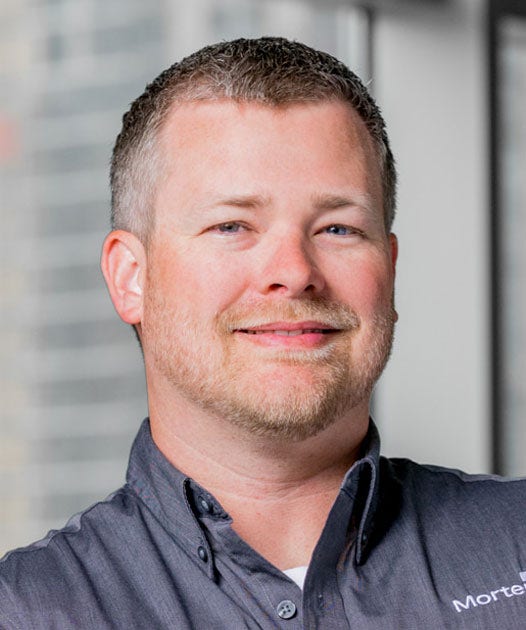
Sean Brummer
Senior Superintendent

Ian Small
Senior Safety Director

Greg Huber
Project Executive

Travis Peterson
Integrated Construction Manager

Brian Chapman
Senior Project Manager
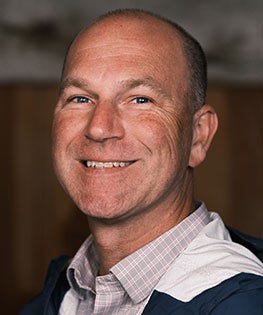
Danny Keim
Project Executive
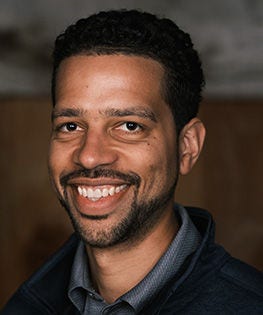
Josh Broussard
Project Manager

Tyson Wagner
MEP Executive

Anthony Pittman
Senior Superintendent

Joey Phinney
Senior Superintendent
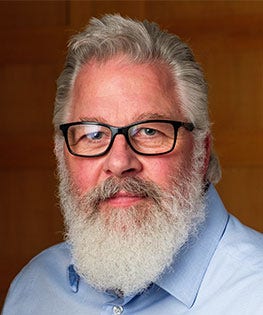
Bryon Lyver, DBIA
Field Operations Manager
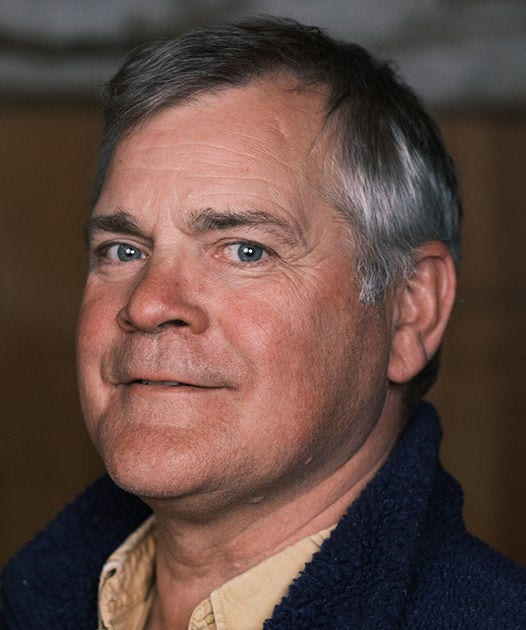
Dana Malek
Senior Superintendent

Jordyn Cesar
Safety Manager
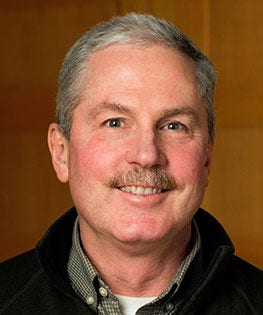
Bruce McGaw
Senior Safety Manager

Roshan Alex
Senior Project Manager

Jesse Erickson
Quality Director
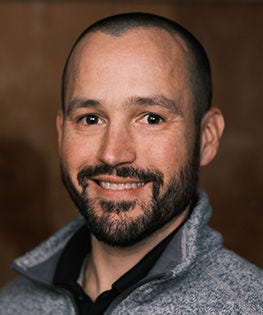
Josh Rodgers
Senior Integrated Construction Manager

Greg Goebel
Project Manager
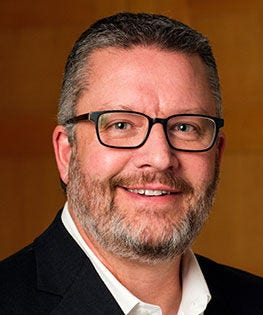
Phil Greany
Vice President of Operations
Partners
Additional Resources
10.15.2020 /// Building Excellence
Virtual Reality Leaps Forward, Providing New Value to Stakeholders01.25.2021 /// Standing Strong
The last of 72 temporary steel columns once holding up the Climate Pledge Arena's landmark roof has been removed